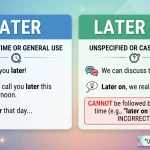
In Process vs In Progress helps you choose the right phrase for a project that has started but isn’t finished in writing. A work in progress can describe a project, work assignment, home renovation, or relationship that still needs time. These phrases are useful when you communicate in professional settings, writing, emails, project dashboards, reports, and workplace updates. The difference is important because in progress usually describes something actively happening, while in process can describe something moving through a particular procedure or system. In my experience, choosing the right phrase makes a message clearer, sharper, and more credible. This guide also supports better definitions, real-world uses, common mistakes, grammar tips, industry examples, and memory tricks that help you remember the key distinction.
When I review clear writing, I focus on the right words because similar expressions can create a common point of confusion for writers and speakers. In Process vs In Progress requires an understanding of meaning, grammar, usage, and context, rather than using both phrases interchangeably. The subtle difference becomes easier to understand in professional communication, academic work, and everyday conversations. A task may be in progress when someone is actively working on it, while something may be in process when it moves through an established procedure. This distinction improves accuracy and confidence, allowing you to express your ideas more precisely and choose the correct way to form a sentence. Careful polishing of academic work and other forms of writing can make this choice much easier.
A work in progress refers to an unfinished project, while works in progress refers to multiple projects. The plural form becomes useful when a group or multiple people discuss several unfinished tasks. Normally, no hyphens are needed in the noun phrase, although in-progress can work as a modifier in some constructions. The same idea can describe a creative task, renovation, or personal relationship that is still developing, even if the final result is eventually finished. Keeping these phrases, differences, and grammar patterns in mind helps you avoid common mistakes and makes your professional and everyday communication sound more natural.
Let’s dive in!
Quick Answer:
In Process vs In Progress depends on what you want to emphasize. In American English, in progress usually means something is currently happening or being worked on, while in process often describes something moving through a particular procedure or system.
TL;DR:
• In progress means something is happening or continuing now.
• In process can describe movement through an established procedure.
• “The project is in progress” sounds natural in everyday American English.
• “The application is in process” may appear in administrative settings.
• In the process of is a common and flexible alternative.
• Choose in progress when you mean “underway” or “currently happening.”
What Does “In Progress” Mean?
The phrase in progress describes something that has begun and is still happening. Dictionaries commonly define it with ideas such as “going on,” “occurring,” or “underway.”
For American readers, this is the phrase you’ll encounter most often in everyday communication.
Everyday Meaning
Imagine walking past a conference room and seeing a meeting happening inside. A sign might say, “Meeting in progress.”
The phrase doesn’t tell you exactly which step the meeting has reached. Instead, it tells you that the event has started and hasn’t ended.
The same idea works for many activities:
• A construction project is currently being worked on.
• A game has started but hasn’t finished.
• An investigation has begun but remains unfinished.
• A painting is being created but isn’t complete.
Why “In Progress” Sounds Natural
Progress carries an idea of movement toward completion. Therefore, the phrase naturally fits tasks and activities that continue over time.
You can use it for both ordinary and formal situations. It works in conversations, workplace updates, notices, reports, and academic writing.
What Does “In Process” Mean?
In process exists in English, but its use is more limited. It can describe something currently moving through a process or procedure.
However, American speakers often prefer in the process of when describing an action or change.
A Process Has Steps
The word process focuses attention on a series of actions or stages. For example, an application may pass through several steps before approval.
In that setting, the idea of a process becomes important.
Consider these examples:
• The application is in process.
• The request is being processed.
• The company has the application in process.
• The team is in the process of reviewing it.
The wording can sound more administrative than conversational.
“In the Process Of” Is More Flexible
When you’re describing someone doing something, in the process of often sounds more natural.
For example:
“We’re in the process of updating the website.”
This emphasizes the activity and the steps involved. By contrast, “We’re in progress of updating the website” is incorrect.
In Process vs In Progress: The Main Difference
The easiest way to understand the difference is to focus on the main idea.
In progress emphasizes an activity that is underway. In process can emphasize something moving through a defined system or procedure.
A Simple Comparison
| Phrase | Main Focus | Typical American Use | Example |
| In progress | Ongoing activity | Everyday and professional | The project is in progress. |
| In process | Procedure or workflow | Technical or administrative | The request is in process. |
| In the process of | An action being carried out | Very common | We’re in the process of moving. |
| Being processed | A formal procedure | Applications and requests | Your order is being processed. |
| Underway | Something currently happening | Formal and everyday | Construction is underway. |
The distinction isn’t absolute. Language changes with context, industry, and speaker preference.
Still, in progress is the safer general choice when you mean “currently happening.”
When Should You Use “In Progress”?
Use in progress when you want to show that an activity has started and continues.
This is especially useful for projects, events, work, repairs, investigations, and creative activities.
Common Examples
“The meeting is in progress” tells readers that the meeting is happening now.
“The repairs are in progress” tells them that repair work has started but isn’t finished.
“The investigation is still in progress” communicates that investigators haven’t completed their work.
Other natural examples include:
• The renovation is in progress.
• The application review is in progress.
• The game was already in progress.
• The work remains in progress.
• Construction is currently in progress.
“Work in Progress”
One of the best-known expressions is work in progress.
It describes something that’s being developed or completed. It can refer to a physical project, creative work, or even personal development.
For example, an artist may call an unfinished painting a “work in progress.” Similarly, someone may jokingly describe a new skill as a personal work in progress.
When Should You Use “In Process”?
Use in process carefully because it’s less natural for many everyday situations.
It can appear when an organization, system, or procedure is handling something.
Administrative and Technical Settings
Certain workplaces use in process as a status label. An application, request, order, or case may be described this way.
For example, a company system might show that a request is “in process.” In ordinary conversation, however, speakers may choose “being processed” or “under review.”
This difference helps explain why you may see in process in business systems but rarely hear it in casual conversation.
Industry-Specific Usage
Some technical fields use in process with specialized meanings.
Computing, manufacturing, administration, and workflow systems can use the phrase to describe an operation that is active within a defined system.
Therefore, the phrase shouldn’t automatically be called wrong. Instead, consider its setting.
Is “In Process” Grammatically Correct?
Yes, in process can be grammatically correct. However, correctness and naturalness aren’t always the same thing.
A phrase can exist in English while still being less common in ordinary American speech.
Why People Get Confused
The confusion comes from the similarity between process and progress.
Both words can relate to something unfinished. However, process highlights steps, while progress highlights ongoing activity or movement toward completion.
That small difference can change which phrase sounds natural.
A Better Alternative
If “in process” feels awkward, consider in the process of or being processed.
For example:
“The team is in the process of reviewing the request.”
Or:
“The request is being processed.”
Both options make the intended meaning clearer.
Read More: Hola or Ola: Which One Should You Use?
In Process vs In Progress in American English
American English strongly favors in progress for general descriptions of ongoing activity.
Major English dictionaries define in progress as something happening, occurring, or continuing. Modern American examples also use it naturally for meetings, games, repairs, investigations, projects, and creative work.
Workplace Communication
In an American workplace, you might write:
“The project is currently in progress.”
That sounds straightforward and professional.
You could also say:
“The project is underway.”
However, “The project is in process” may sound less natural unless your workplace uses that phrase as a specific status.
Everyday Conversation
In casual speech, in progress is usually much easier.
For example:
“Dinner is still in progress.”
Although that sentence is possible, speakers may simply say, “Dinner is still being prepared.”
The best phrase depends on what you’re describing and how natural you want the sentence to sound.
Common Examples of “In Process” vs “In Progress”
Examples make this distinction much easier to remember.
Natural “In Progress” Examples
These sentences describe activities that are happening or continuing:
• The meeting is in progress.
• The repairs are in progress.
• The project is still in progress.
• The investigation remains in progress.
• Construction work is in progress.
• The game was already in progress.
These examples focus on an ongoing event or task.
“In Process” Examples
These examples focus more on procedures or systems:
• The request is in process.
• The application is in process.
• The order is currently in process.
• The case remains in process.
Even here, another expression may sound more natural.
For instance, “The application is being processed” is often clearer. Likewise, “The request is under review” may communicate the exact status better.
In Process vs In Progress at Work
Workplace language is where these phrases often cause the most confusion.
American companies use many status terms to describe projects, applications, approvals, orders, and internal tasks. Because of that, both phrases can appear in professional environments.
Project Updates
For an ordinary project update, choose in progress.
“The marketing project is in progress.”
The sentence tells everyone that work has started and continues.
However, if you’re discussing a defined workflow, in process may appear.
“The employee request is in process.”
That wording suggests the request has entered an administrative procedure.
Hiring and Applications
Hiring systems can use specialized status labels. An application might be marked as “in process” within a company’s internal workflow.
However, that doesn’t mean you should use the phrase everywhere.
In general writing, “Your application is being reviewed” may be clearer than “Your application is in process.”
In Process vs In Progress in Formal Writing
Both phrases can appear in formal writing, but in progress has broader usefulness.
It works well in reports, notices, academic writing, workplace communication, and public information.
Choosing the Clearer Expression
When writing formally, ask yourself what you want readers to understand.
If you mean something is happening now, use in progress.
If you mean something is moving through a particular procedure, consider in process, being processed, or in the process of.
Clarity matters more than forcing a distinction.
Examples for Professional Writing
Instead of:
“The renovation is in process.”
Prefer:
“The renovation is in progress.”
Instead of:
“We are in progress of reviewing the documents.”
Use:
“We are in the process of reviewing the documents.”
The second example is especially important because in progress of is not the normal construction.
Why “In Progress” Is More Common
The phrase in progress has a long history of describing something underway. Modern dictionaries continue to define it as something happening or continuing.
Meanwhile, in process has more specialized uses.
Meaning Shapes Usage
The word progress suggests movement toward a result. That makes it a natural partner for unfinished work.
The word process suggests a method or sequence of steps. Therefore, it often needs additional context.
This difference explains why “The project is in progress” feels effortless, while “The project is in process” may feel unusual.
Natural Language Changes
English doesn’t stay fixed. Some phrases become more common, while others become specialized or less familiar.
As a result, a phrase may be grammatically possible without being the first choice for most American speakers.
Common Mistakes to Avoid
Most mistakes with these phrases come from treating them as exact substitutes.
Mistake: “In Progress Of”
This is one of the clearest errors.
Don’t write:
“We are in progress of completing the project.”
Instead, write:
“We are in the process of completing the project.”
Or:
“The project is in progress.”
The first emphasizes the steps being taken. The second emphasizes the ongoing project.
Mistake: Using “In Process” Everywhere
Not every unfinished activity needs in process.
For example:
“The movie is in progress.”
This is natural.
“The movie is in process.”
This sounds unusual in ordinary American English.
Therefore, don’t replace progress with process simply because both words relate to unfinished activity.
What Does “Work in Progress” Mean?
Work in progress is a special and widely understood expression.
It describes something that’s unfinished but actively developing.
Creative Meaning
Artists, writers, designers, and musicians often use the phrase for unfinished work.
A writer may have a novel that’s still a work in progress. A designer may show an unfinished concept and label it the same way.
Personal Meaning
The expression can also describe people or personal growth.
Someone might say:
“I’m a work in progress.”
That statement usually suggests ongoing learning or self-improvement. It can sound humble, positive, or even playful depending on context.
Emotional and Symbolic Meaning of Ongoing Work
Although these phrases are grammatical rather than traditional symbols, they can carry a broader emotional message.
In progress often suggests movement, patience, effort, and unfinished potential.
Why “In Progress” Feels Positive
The phrase doesn’t automatically mean failure. Instead, it can show that something is developing.
For many Americans, that idea connects with familiar themes such as learning, entrepreneurship, creativity, renovation, and personal growth.
The phrase can therefore signal:
• Growth without claiming perfection.
• Effort that hasn’t reached its final result.
• Patience during a long project.
• Openness to change and improvement.
The Idea of “Not Finished Yet”
The most useful emotional distinction is simple: unfinished doesn’t necessarily mean unsuccessful.
A project can be incomplete while still moving forward. That’s one reason work in progress has such a positive modern tone.
How These Phrases Have Changed Over Time
The core meanings of process and progress are older than their current workplace uses.
Historically, both words developed from ideas connected with movement and action. Over time, English speakers developed set expressions that gave each word more specific roles.
From Movement to Modern Usage
Progress became strongly associated with forward movement and development. Eventually, in progress became a standard way to describe something underway.
Process, meanwhile, developed around ideas of steps, methods, and sequences. That meaning remains visible in expressions such as “the process of learning.”
Today, the distinction is practical rather than symbolic. Modern speakers mainly choose based on context and natural usage.
The Modern American View
In 2026, in progress remains the broad everyday choice.
At the same time, in process continues to appear in specialized contexts. Neither phrase needs to be treated as mysterious once you identify the idea behind it.
In Process vs In Progress: A Simple Memory Trick
Here’s an easy way to remember the difference.
Think of progress as movement.
Think of process as steps.
Remember It This Way
If something is happening, think in progress.
If something is moving through a procedure, think in process.
For an even safer option, use in the process of when you’re describing someone carrying out an action.
For example:
“The team is in the process of changing the schedule.”
But:
“The schedule change is in progress.”
Both sentences work, but they focus on different aspects.
FAQs:
1. What is the difference between “in process” and “in progress”?
In progress usually means something is actively happening or being worked on. In process often refers to something moving through a particular procedure or system.
2. Is “work in progress” correct?
Yes. Work in progress is the common expression for a project or task that has started but isn’t finished yet.
3. Can “in process” and “in progress” be used interchangeably?
Not always. Although they can sometimes describe similar situations, their meaning and natural usage depend on the context.
4. Should “work in progress” have hyphens?
No. When used as a noun phrase, work in progress normally doesn’t need hyphens. The form in-progress may be used as a compound modifier in some sentences.
5. What is the plural of “work in progress”?
The plural is works in progress when you’re talking about multiple projects or unfinished pieces of work.
6. Which phrase is more common: “work in process” or “work in progress”?
Work in progress is much more common in everyday and professional English. Work in process may appear in specific fields, such as accounting or manufacturing.
7. Can I use “in progress” in professional writing?
Yes. In progress works naturally in emails, project updates, reports, workplace messages, and project dashboards when you want to show that something is currently underway.
Conclusion:
Understanding In Process vs In Progress becomes easier when you focus on the situation. Use in progress for something actively happening or being developed, and use in process when something is moving through a procedure or system.
Remembering this simple distinction can help you choose the right phrase, avoid common grammar mistakes, and make your writing clearer and more professional.